
What is
Leprosy
Leprosy, also known as Hansen’s disease, is a chronic infectious disease caused by a slow-growing bacteria called Mycobacterium leprae. It is a mildly contagious condition that is completely curable with timely medical intervention. The disease primary targets and affects the skin, peripheral nerves, mucosal surfaces of the upper respiratory tract, and the eyes.
While leprosy is often feared due to historical stigma, modern medicine treats it effectively. It is not hereditary, and it cannot be caught by a casual touch. Transmission requires years of close, continuous living proximity with an untreated individual via airborne droplets. Remarkably, around 95% of the human population is naturally immune to the bacteria, meaning most people who come into contact with it never develop the disease.

Symptoms and Severity of
Leprosy
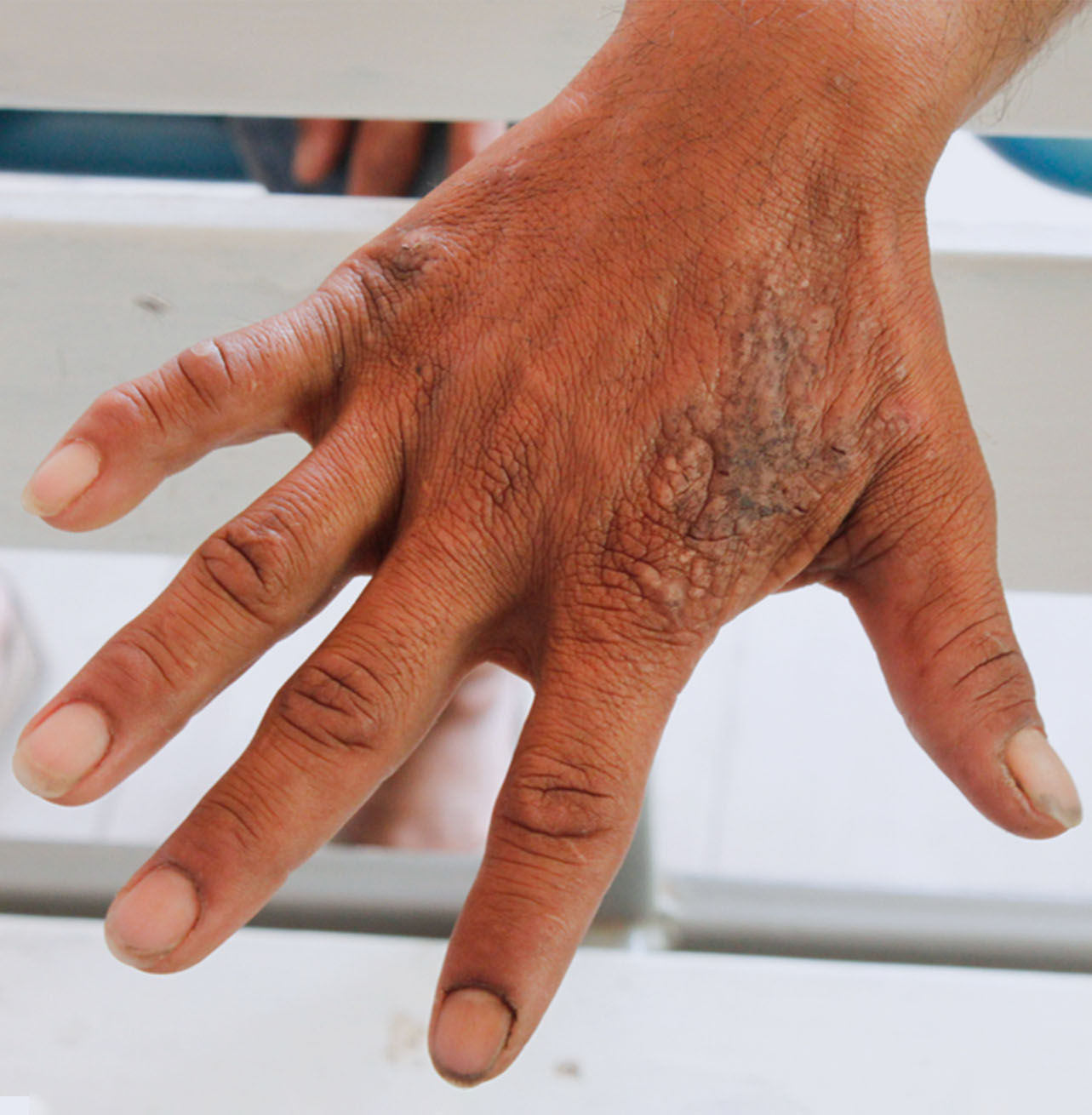
Leprosy produces distinct neurological and physical signs as it progresses. If left untreated, the bacterial infection can result in severe, permanent physical disfigurement, chronic skin ulcers, muscle weakness, and significant long-term disability.
The primary symptoms of leprosy include:
Treatments and Cure for
Leprosy
With an early diagnosis, leprosy can be entirely cured, allowing individuals to continue working and leading completely active, normal lives both during and after their medical care.
The gold standard for treating Hansen’s disease is Multi-Drug Therapy (MDT). This approach uses a precise combination of two or three targeted antibiotics taken concurrently. By attacking the bacteria from multiple angles at the same time, this multi-drug strategy successfully cures the patient while preventing the stubborn bacteria from developing antibiotic resistance over the lengthy course of the treatment.